
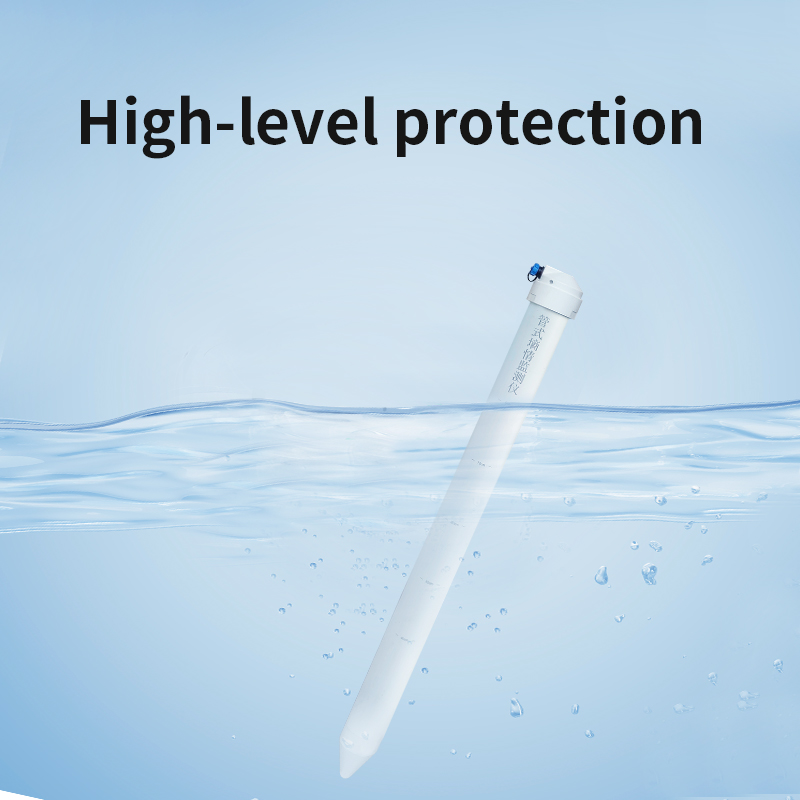
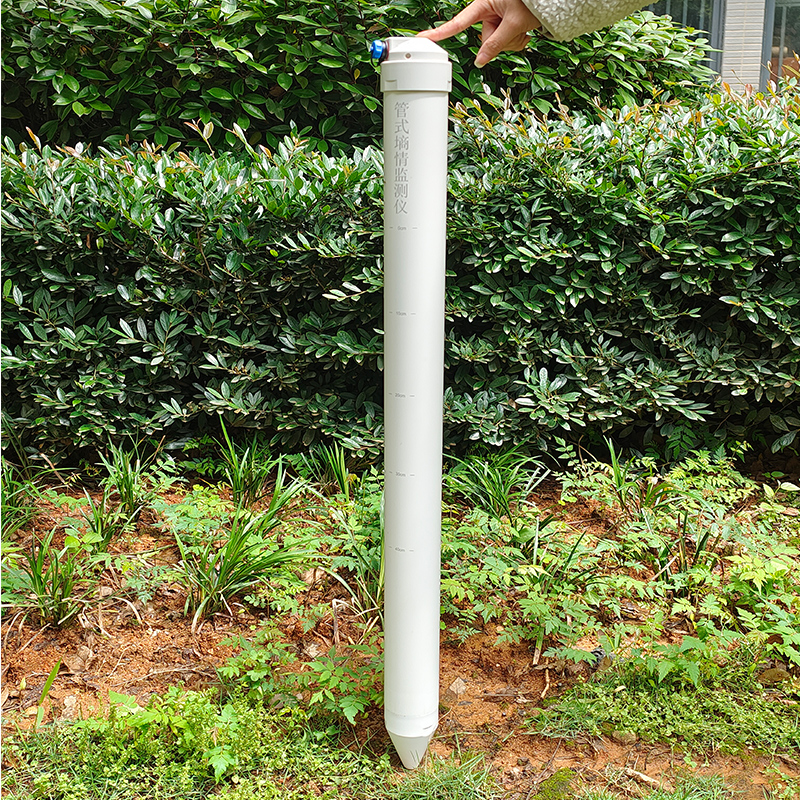
Product Introduction
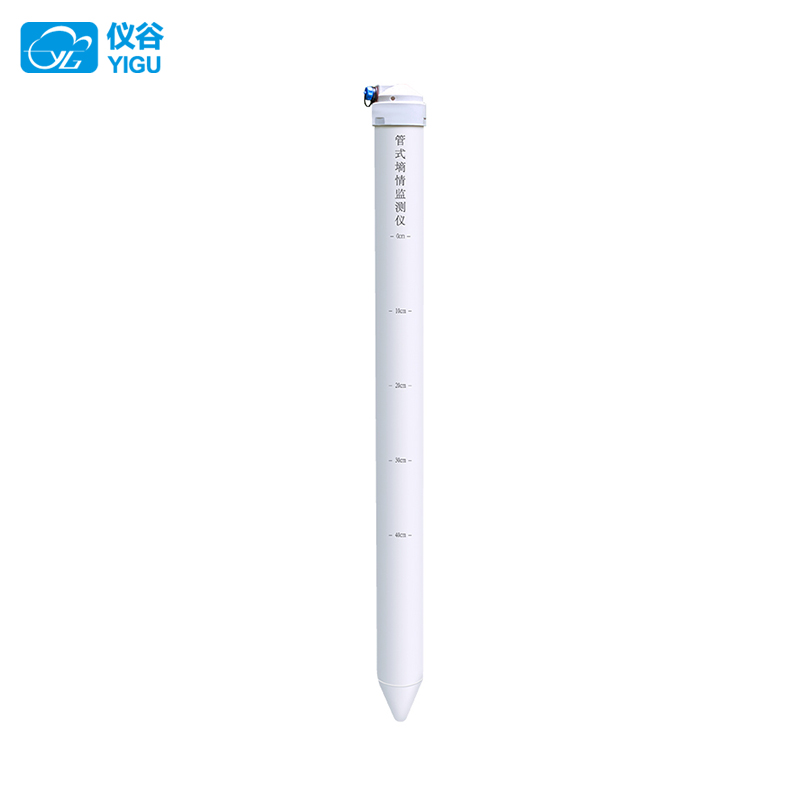
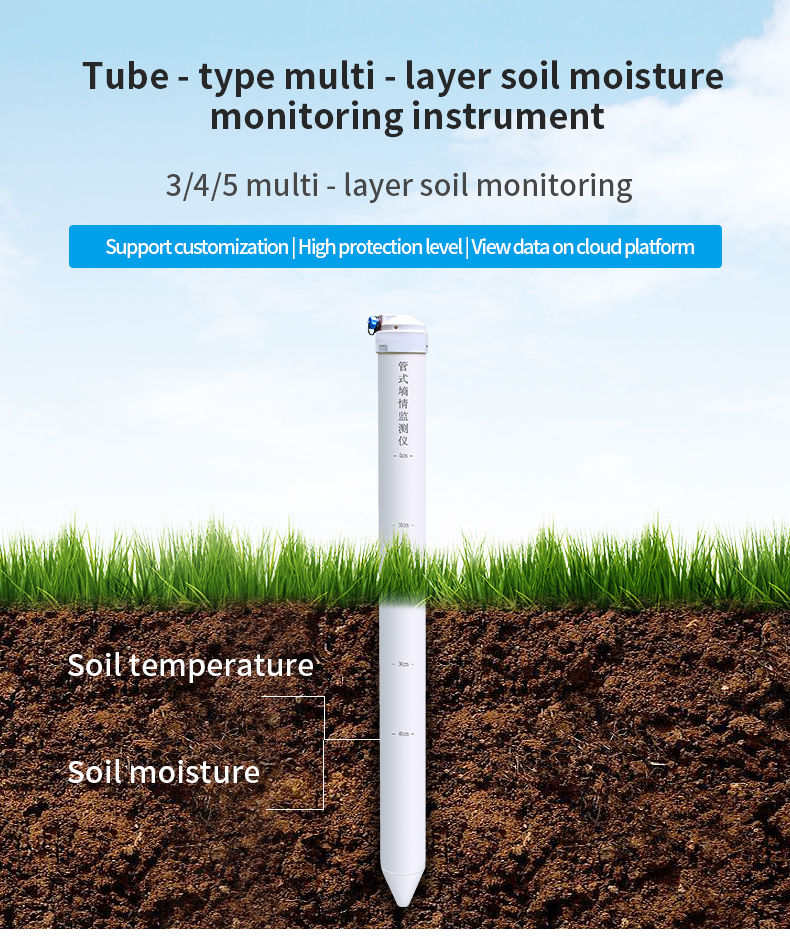
The YGC-GTM tubular multi-layer soil moisture monitoring instrument adopts the frequency domain reflection method (defined in GB/T28418-2012) to measure the soil moisture of each soil layer based on the frequency changes of the electromagnetic waves emitted by the monitoring instrument in materials with different dielectric coefficients. High precision digital temperature sensors are used to measure the temperature of each soil layer. It can simultaneously measure the temperature and humidity of soil layers of 10cm, 20cm, 30cm, and 40cm, and can also customize other different soil layers according to needs, suitable for long-term uninterrupted monitoring of representative soils; It can provide RS485 signal output, as well as built-in 4G wireless communication module and lithium battery. Data can be transmitted to the IoT data platform through GPRS wireless network, and real-time data can be viewed on computers and mobile phones, which is convenient and fast, greatly meeting the needs of various uses.
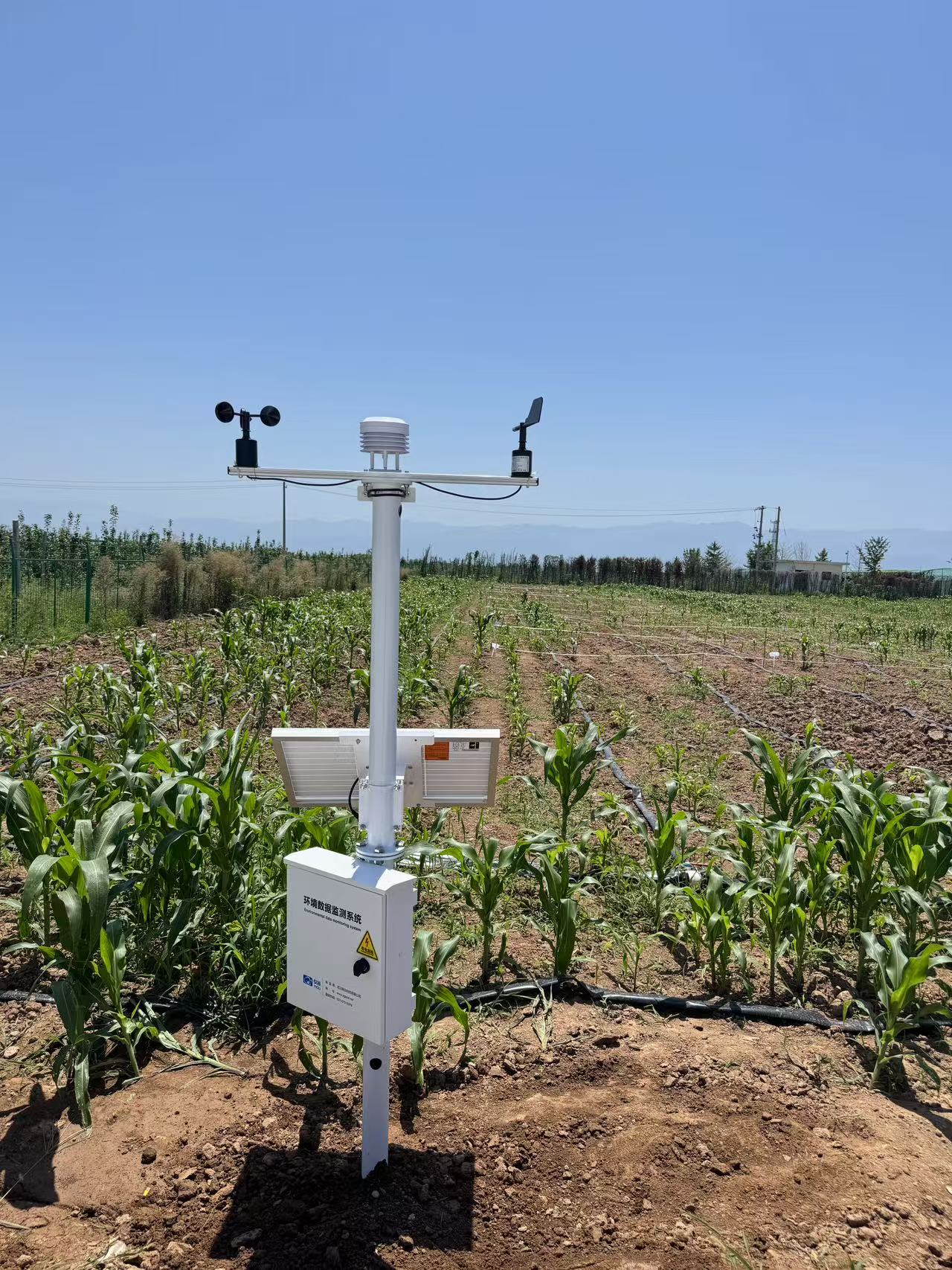
The tube type multi-layer soil moisture monitoring device has many advantages such as lightweight, easy installation, convenient use, and accurate measurement. This instrument adopts precision sensors and intelligent chips, consisting of soil moisture sensors, soil temperature sensors, solar power supply and transmission devices.
At present, the product is widely used for environmental information monitoring and collection in industries such as agriculture, forestry, environmental protection, water conservancy, and meteorology. It is also applied in water-saving irrigation, flower horticulture, grassland and pasture, soil rapid testing, plant cultivation, greenhouse control, precision agriculture, and other fields to meet the needs of scientific research, production, teaching, and other related work.
Technical Parameter
| Measurement Element | Measurement Range | Accuracy | Resolution | Unit |
|---|---|---|---|---|
| Soil Temperature | -40℃~80℃ | ±0.5℃ | 0.1 | ℃ |
| Soil Moisture | 0%~60% (Volumetric Water Content) | ±3% (0-35% measurement range) ±5% (35%-60% measurement range) |
0.1 | % |
| Tilt Angle | -90°~90° | ±2° | 0.1 | Degree |
| Longitude | -180°~180° | ≤10 meters | 0.1 second | Degree |
| Latitude | -90°~90° | ≤10 meters | 0.1 second | Degree |
| Altitude | -500~9000 meters | ≤3 meters | 1 | Meter |
| Supply Voltage | 0~3000mV | 20 mV | 1 | mV |
| Battery Voltage | 0~25000mV | 20 mV | 1 | mV |
| Power Supply Mode | □ 9-30V wide voltage power supply □ Solar system power supply (default 10W solar panel, 4800mAh lithium battery) |
|||
| Soil Layer Level Selection | □ 3 layers □ 4 layers □ 5 layers □ 6 layers Other levels can be customized, one layer every 10CM |
|||
| Communication Selection | □ RS485 □ GPRS | |||
| Cloud Platform | Our company provides a universal data cloud platform | |||
| Data Upload Interval | Default 10 minutes (can be set 0~18h) | |||
| Operating Environment | Temperature -40℃~80℃; Humidity ≤100%RH | |||
| Shell Material | PVC plastic pipe | |||
| Protection Grade | IP68 | |||
| Power Consumption | Current less than 2mA after sleep (average power consumption varies with specific models) | |||
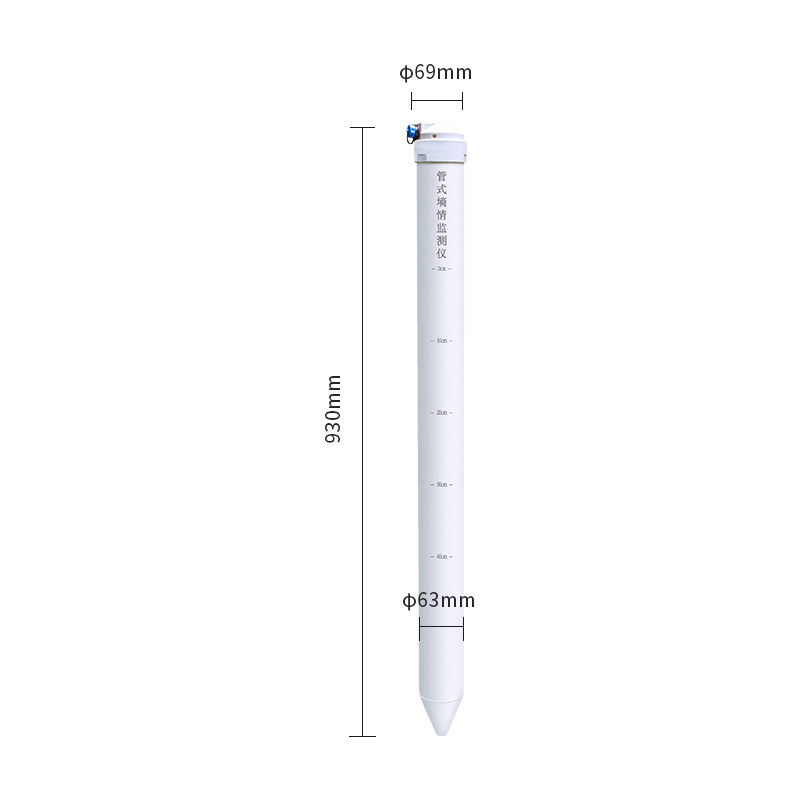
Product Size
Selection of monitoring point locations
The selection of sites for tubular multi-layer soil moisture monitors should be representative, capable of representing the typical soils of major crops and the region in which they are located, and the indicators collected should reflect the actual local conditions.
The layout of soil moisture monitoring stations (points) should be comprehensively determined based on local soil types, cropping structures, and topographical conditions. Therefore, in principle, representative plots with the largest area of crop and soil types within the region should be selected. For areas with significant variations in soil and topographical conditions, consideration should also be given to the topographical conditions and signal requirements for information transmission, and representative plots with flat terrain should be selected as much as possible.
The monitoring facilities need to be set up on one side of a representative plot to minimize the impact on farming; sensors should be installed in the soil layer of the farming area, and corresponding ground markers or simple protective railings should be established around them to prevent collision and damage during cultivation. However, fences or solid barriers should not be erected to avoid isolating the plot where the instruments are buried from the surrounding plots, which would compromise its representativeness.
Select a site with strong signal strength and the ability to accurately transmit data information for station construction. When selecting and constructing soil moisture monitoring stations, priority should be given to rain-fed dryland agricultural areas, avoiding construction in paddy irrigation areas. The station location should be as far away as possible from forests, tall buildings, roads (railways), rivers, reservoirs, and large canals, to avoid signal obstruction and the impact of water sources.
Contact Us
Address:Room 01, 3rd Floor, Building 4, Gezhouba Sun City, No. 40 Gaoxin 4th Road, Donghu New Technology Development Zone, Wuhan,Hubei,China
Tel:+8619522958500
Whatsapp:+8615271247832
YIGU Sensors
Professional Weather Sensor & Weather Station Manufacturer
Telephone: +86-027-87915379
WhatsApp:+86 15271247832(Liang)
Email: info@whchenyun-tech.com
Address: Room 301, Building 4, Gezhouba Sun City Industrial Park, East Lake High-Tech Development Zone, Wuhan, Hubei Province, China

Scan or click to chat

Scan to chat with us

Cloud Data
Scan to view cloud data